Anxious Attachment in Romantic Relationships
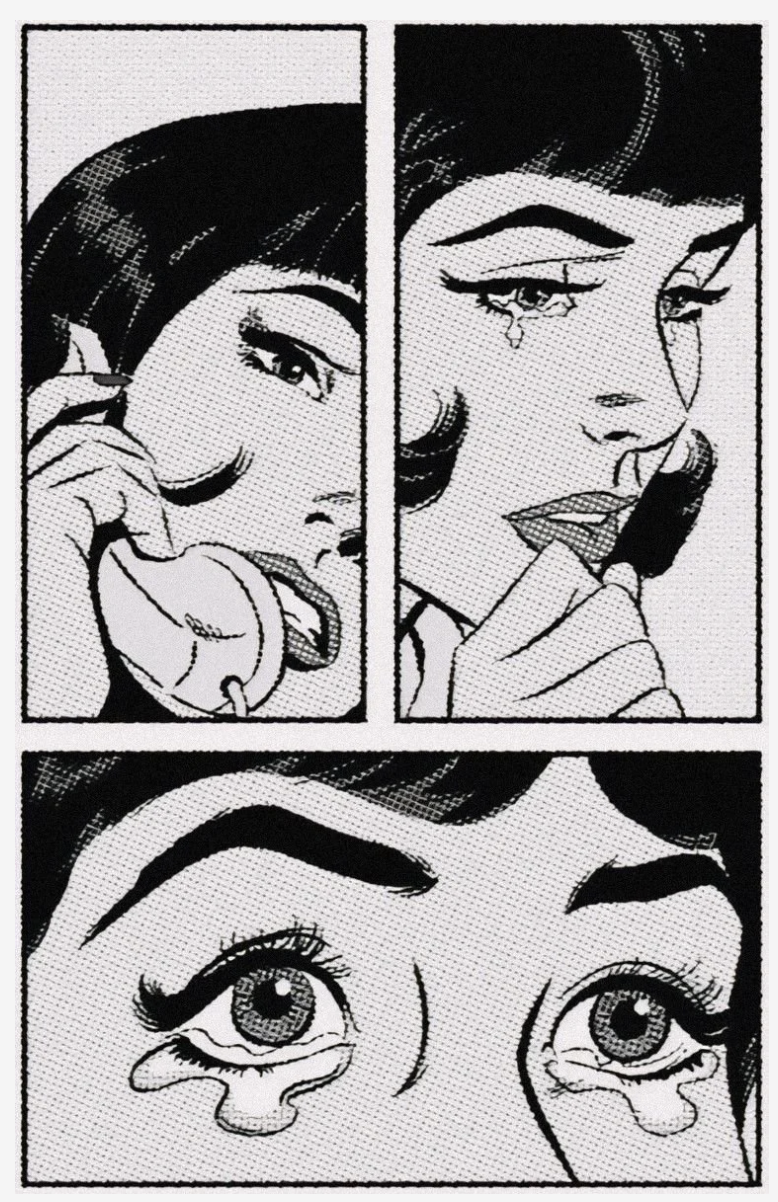
If you’ve ever felt your chest tighten when your partner doesn’t reply, replayed texts over and over in your head, or worried that a small distance might mean they’re pulling away, you might have anxious attachment. This isn’t about being “too much” or “needy.” It’s about how your early experiences shaped the way you connect, love, and seek security.
Where It Starts
Anxious attachment begins in childhood. Maybe your caregivers were inconsistent. Sometimes present and loving, sometimes distant or preoccupied. Maybe your needs for reassurance, comfort, or attention weren’t always met, or were met only when you “behaved well” or earned it. Perhaps your emotional expression was dismissed, minimized, or misunderstood.
Your brain learned: love is fragile, and I need to be hyper-aware to hold onto it. You became attuned to subtle cues: tone of voice, facial expressions, small gestures, that others might miss entirely. This hyper-awareness was adaptive then; it helped you navigate uncertainty and keep connected to people you depended on.
How It Shows Up in Adult Relationships
The patterns don’t disappear in adulthood, they follow you into romantic relationships:
You crave closeness and reassurance, but feel anxious if it’s not immediate.
You notice tiny shifts in your partner’s mood or tone and spiral into “what did I do?” thoughts.
You might over-plead, over-explain, or sacrifice your needs to maintain the connection.
Silence, a delayed response, or perceived emotional distance triggers fear or panic.
You want intimacy, but it can feel dangerous: what if they leave, stop loving you, or pull away?
This push-pull creates emotional cycles that feel exhausting and relentless. It’s the imprint of survival strategies your brain learned in childhood.
Why It Feels So Intense
Anxious attachment taps directly into your need for safety and belonging. Small cues feel magnified because your nervous system is primed to protect you from potential loss. The intensity comes from depth and care; you notice more, feel more, and are wired to seek connection even when it triggers fear.
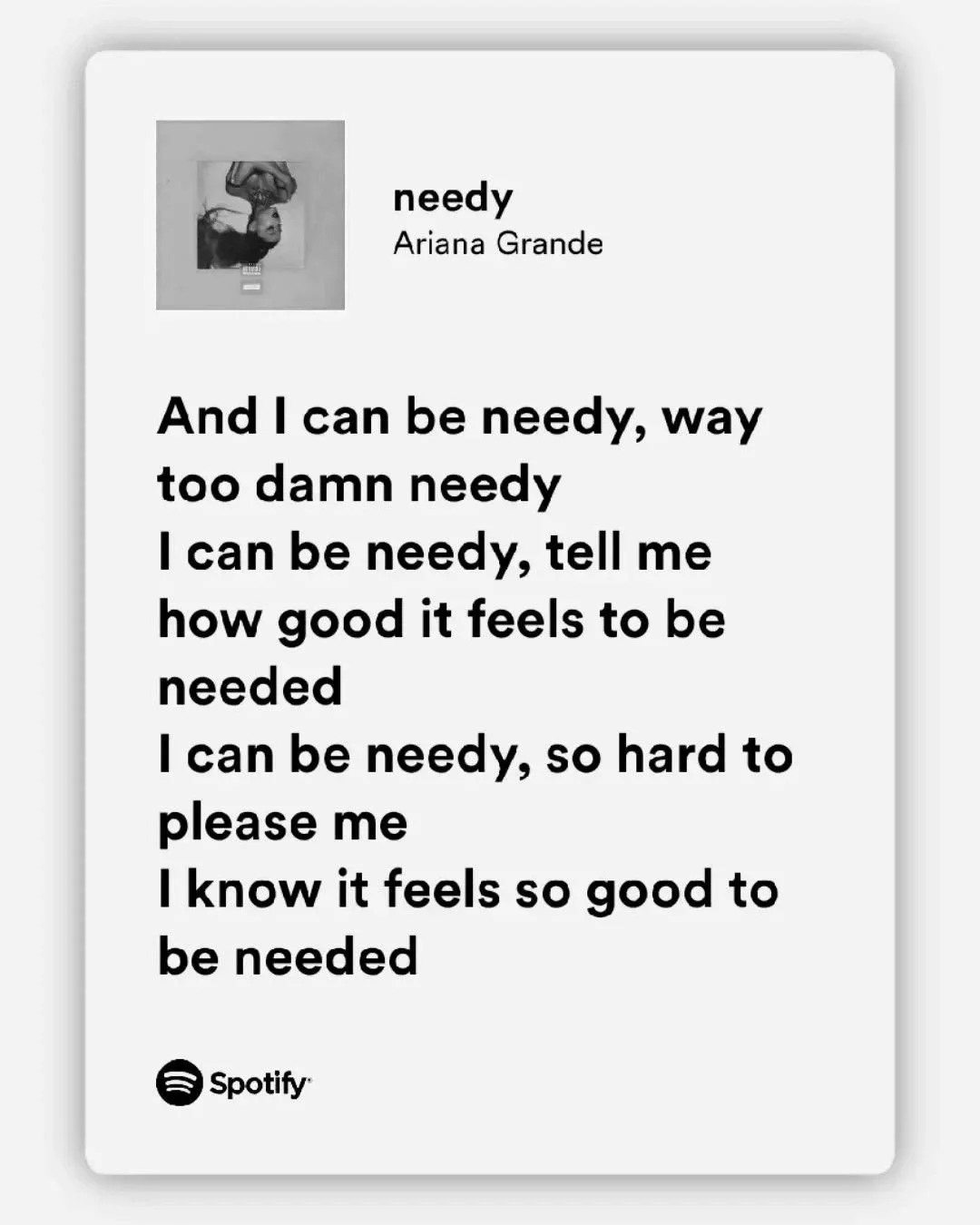
Navigating Anxious Attachment
You can’t simply “stop being anxious,” but you can learn to respond differently and create emotional safety for yourself:
Recognize your triggers: notice what situations spiral your anxiety.
Separate fact from fear: delayed texts or moments of silence aren’t rejection.
Communicate your needs clearly: assert your boundaries and ask for reassurance without guilt.
Develop internal reassurance:cultivate self-validation and coping strategies.
Slow down: pause before reacting or over-analyzing, giving yourself space to respond intentionally.
Over time, this awareness allows you to experience intimacy without being consumed by fear. You don’t erase anxious attachment; you learn to work with it and form connections that feel safe, meaningful, and grounded.
Takeaway
Anxious attachment is a survival pattern your brain created in response to early experiences. The intensity you feel comes from depth, sensitivity, and care. With awareness and practice, you can learn to navigate relationships with trust, connection, and security, without constantly fearing loss.
If anxious attachment is showing up in your relationships and you’re ready to feel more secure in yourself and your relationships, I can help. Schedule a consultation with me and let’s explore your patterns, calm your anxiety, and build connection that feels safe.