Have You Been Called “Too Sensitive” Your Whole Life?

Being called “too sensitive” as a kid might have felt like a criticism you couldn’t escape. Maybe it was a teacher, a parent, or even a friend who said it. Maybe it was repeated so often that you began to believe it yourself. You might have grown up thinking that feeling deeply, noticing emotions in others, or reacting intensely was a flaw. something to hide.
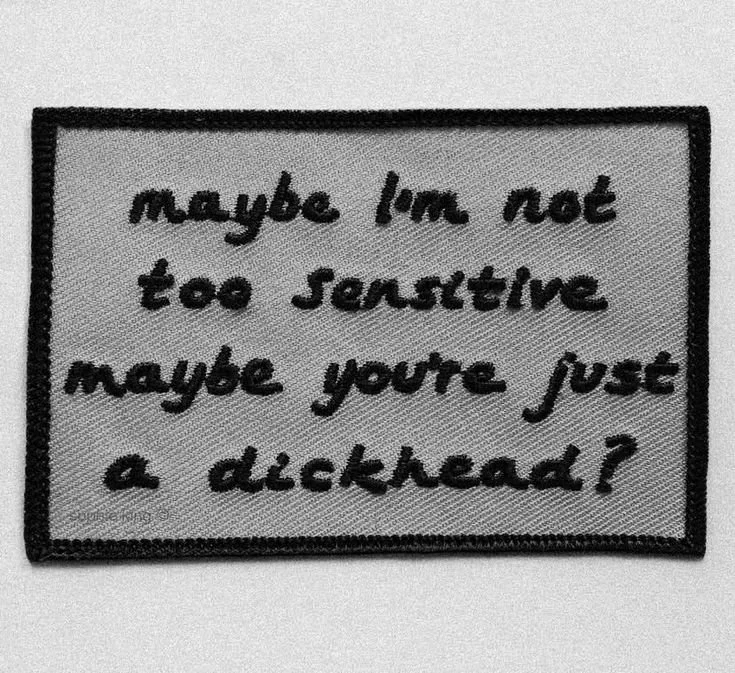
But here’s the truth: being highly sensitive is not a flaw. It’s a trait that shapes how you experience the world, and if you’ve been called “too sensitive” your whole life, it has probably impacted your self-esteem, relationships, and the way you show up as an adult.
What It Means to Be “Too Sensitive”
When people say you’re “too sensitive,” they usually mean that you:
React strongly to emotions, both your own and others’
Take criticism personally
Overthink social interactions or conflict
Notice subtle cues and dynamics that others miss
Experience stress more intensely than peers
This isn’t a weakness; it’s a heightened awareness. Highly sensitive people (HSPs) feel deeply because their nervous system is wired to notice subtleties. But being called “too sensitive” repeatedly can make you feel like your natural wiring is wrong.
How Being Labeled “Too Sensitive” Shapes Childhood
If you grew up being called “too sensitive,” you might have learned to:
Hide your emotions: You learned that showing your feelings could make others uncomfortable or angry.
Suppress your needs: You might put other people first, thinking your needs are too much or invalid.
Internalize shame: You may feel “wrong” for your reactions, even when they’re completely normal.
Overcompensate: You might push yourself to be “tough” or ignore your intuition to fit in.
This repeated messaging can leave a lasting imprint, creating self-doubt, anxiety, or perfectionism that persists into adulthood.
The Long-Term Impact on Adults
Adults who were labeled “too sensitive” often:
Feel emotionally drained around certain people or in high-stimulation environments
Have difficulty setting boundaries or saying no
Experience social anxiety or fear of judgment
Struggle with self-criticism and “people-pleasing” behaviors
Experience deep empathy and connection, but sometimes feel isolated because it’s hard to find people who understand
Yet, many of these traits can become strengths when understood and managed.
Why Sensitivity Is Actually a Strength
Highly sensitive people often excel at:
Empathy: You can read a room and understand how others feel without needing words.
Creativity: Deep emotions fuel artistic expression, problem-solving, and innovative thinking.
Intuition: You notice patterns and dynamics that others miss, helping you make thoughtful decisions.
Connection: Your emotional depth allows you to create meaningful relationships.
Impact: Sensitive people often gravitate toward work or causes that matter, making a positive difference.
Your sensitivity is your superpower, once you learn how to honor it rather than suppress it.
Healing the “Too Sensitive” Message
Changing how you relate to your sensitivity takes awareness and practice:
Reframe your sensitivity: Remind yourself it’s a trait, not a flaw.
Set boundaries: Protect your energy and emotions; it’s not selfish to take care of yourself.
Practice self-compassion: Recognize that feeling deeply is a gift, not a burden.
Seek understanding spaces: Surround yourself with people who value emotional depth.
Therapy or coaching:Working with someone who understands high sensitivity can help you process past messages and build confidence in your wiring.
Personal Reflection: Growing Up Highly Sensitive
I know what it feels like to be told you’re “too sensitive” because I’ve been there myself. As a kid, I absorbed other people’s emotions, overthought every interaction, and felt pressure to hide who I was to avoid judgment.
It was exhausting. I developed anxiety, self-doubt, and perfectionism; not because there was anything wrong with me, but because the message I received over and over was: your sensitivity is a problem.
Over time, I learned that embracing my sensitivity allowed me to:
Understand myself more deeply
Build meaningful relationships with people who get me
Use my emotional awareness as a guide in work, life, and creativity
It’s not about changing who you are; it’s about learning to thrive with the sensitivity you already have.
Turning Sensitivity Into Strength
Being sensitive doesn’t have to hold you back. In fact, it can help you:
Navigate relationships with insight: You notice dynamics that others miss.
Excel in your career: Emotional intelligence is invaluable in leadership, teamwork, and client-focused work.
Build a fulfilling life: You can honor your needs while connecting authentically with others.
The key is learning how to manage overwhelm, set boundaries, and recognize when your sensitivity is serving you, and when it’s being misunderstood.
Want Support Embracing Your Sensitivity?
As a therapist who’s been called “too sensitive” my whole life, I understand the deep emotional impact of this label. I work with highly sensitive people to process past messages, build confidence, and turn sensitivity into strength.
Reach out todayto start working with someone who knows how to help you turn your sensitivity into your greatest asset. Schedule your complimentary consultation here.
