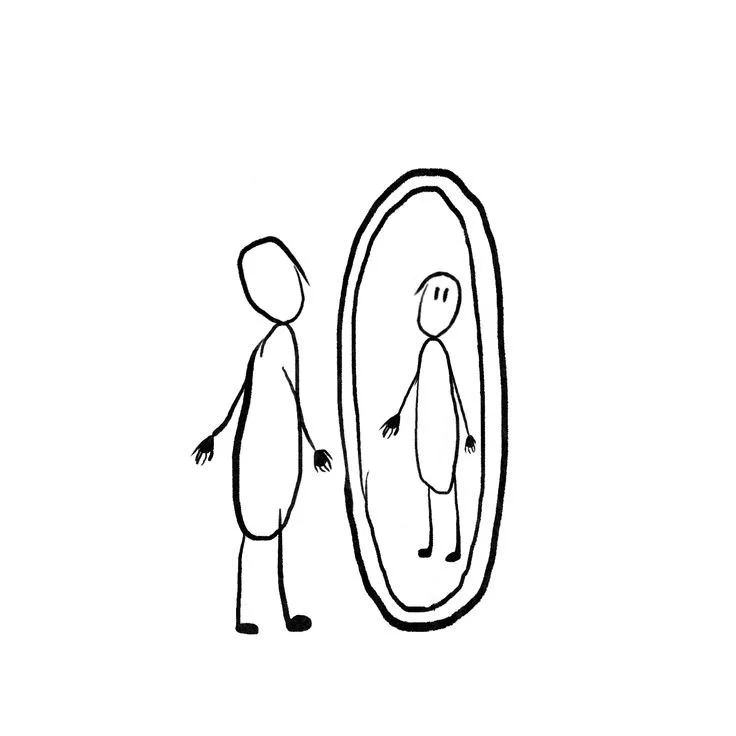
Signs You’re Neurodivergent (ADHD, Autism, or HSP Traits), And What It Feels Like in Daily Life
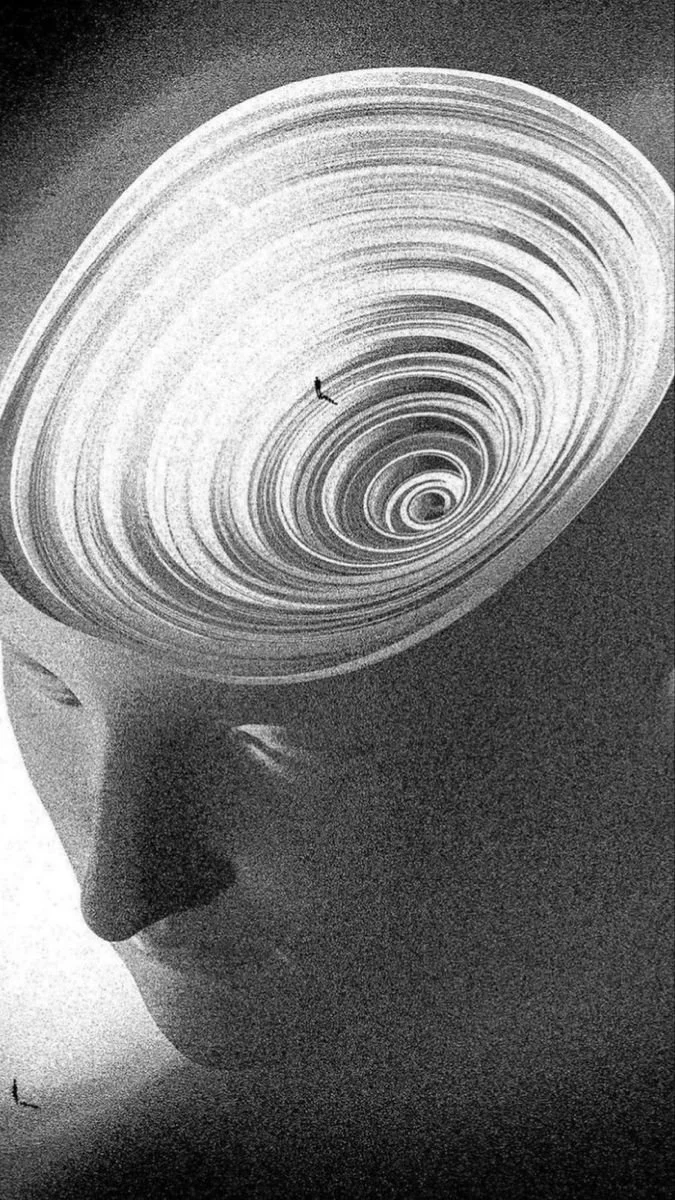
A lot of people come to therapy saying some version of: “I don’t know what’s wrong with me, I just know life feels harder than it seems to be for everyone else.”
You might function well on the outside. You might be successful, thoughtful, self-aware. But internally, everything feels loud. Busy. Heavy. Or oddly exhausting in ways you can’t explain.
Neurodivergence doesn’t always look like what social media or textbooks describe. For many adults, it shows up quietly, consistently, and in everyday moments.
Here’s what it can actually feel like.
You Get Overstimulated by Things Other People Shrug Off
Noise, lights, crowds, too many conversations, too many tasks open at once. None of it is extreme on its own, but it stacks fast.
By the end of the day, you’re wiped out and you don’t fully know why. You might need more alone time than you think you “should.” Or you feel irritable, foggy, or emotionally fried after social situations that didn’t seem that intense.
This is common with ADHD, autism, and high sensitivity. Your nervous system takes in more information, which means your brain is doing more work.
Your Brain Doesn’t Do “Simple” the Way People Expect
Things that are supposedly easy can feel oddly hard. Starting tasks. Switching tasks. Remembering appointments. Answering texts. Keeping track of time.
At the same time, you might hyperfocus deeply on things that interest you. You can think for hours about one topic and lose track of everything else.
This mismatch is frustrating. People see your intelligence and assume effort is the issue. Internally, you know it’s not that. It’s execution, energy, and how your brain organizes itself.
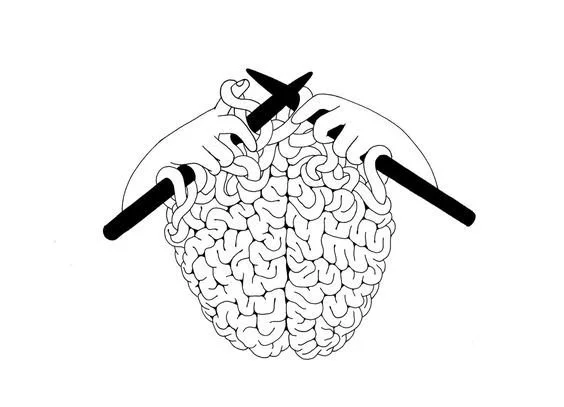
You Feel Things Deeply and Fast
Emotions hit fully formed.
A comment sticks with you all day. A tone shift changes your mood. Criticism or conflict can land harder than it seems to for others, even when you logically know it wasn’t a big deal.
You might replay conversations. You might feel emotionally flooded and then suddenly shut down. This can look like anxiety, mood swings, or “overreacting” from the outside. Inside, it feels like your emotional volume knob is turned all the way up.
You’ve Always Felt Slightly Out of Sync
You might have felt different growing up without knowing why. Too sensitive. Too intense. Too slow in some areas, too fast in others.
Social rules can feel confusing or performative. You might be good at reading people but still feel misunderstood. Or you learned early how to mask, adapt, and keep up, even when it cost you.
Many neurodivergent adults don’t get clarity until later in life. Not because the signs weren’t there, but because you learned to cope quietly.
Rest Doesn’t Always Feel Restorative
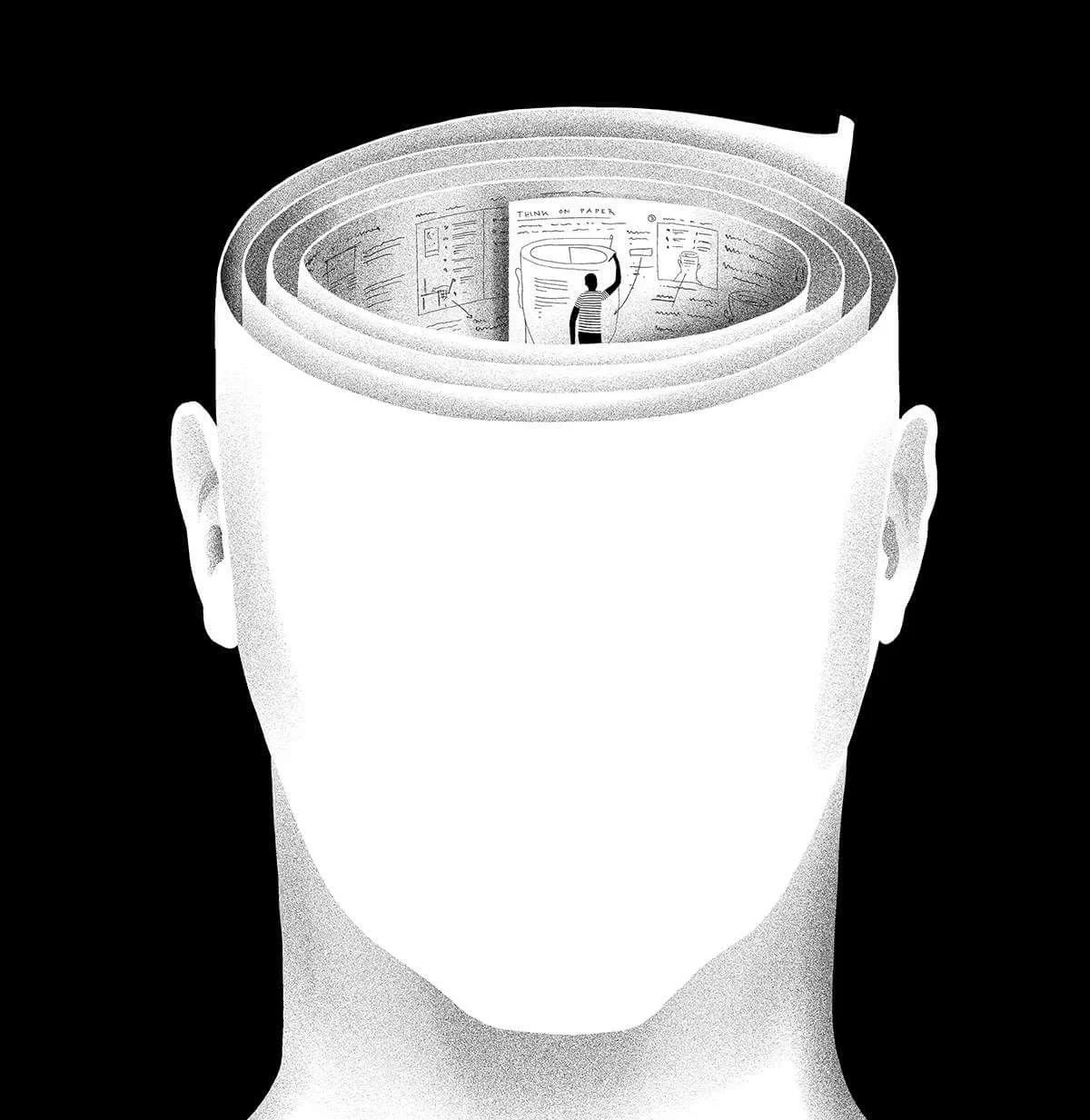
Even when you’re not doing much, your mind might still be running. You think about what you missed, what you forgot, what’s coming next, what you said wrong.
Burnout creeps in slowly. You push through until your body or brain forces a pause. Then you feel guilty for needing it.
This signifies a nervous system that hasn’t been supported in the way it actually needs.
How Therapy Can Help If You’re Neurodivergent
Neurodivergent-affirming therapy helps you understand how your brain works and build a life that fits it.
In our work together, we focus on:
reducing overwhelm instead of pushing through it
building routines that work with your energy, not against it
untangling anxiety from sensory overload and burnout
learning how to protect your capacity without isolating yourself
trusting your intuition instead of constantly second-guessing it
Working with me is practical and grounded. No fluff, no generic advice. We focus on strategies that actually work in your real life and don’t fall apart the moment things get hard.
If This Sounds Familiar
If you’ve read this and felt a “that’s me,” that’s worth paying attention to.
If you’re curious about exploring therapy that works with your brain, schedule a complimentary consultation here.
You don’t have to keep forcing yourself to function in ways that don’t fit.