How OCD Is Treated (And What Actually Helps)
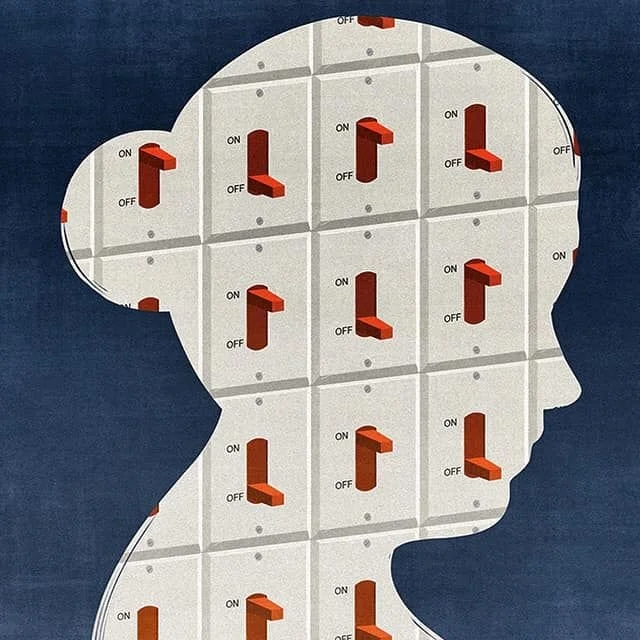
First, an important truth: OCD isn’t something you fix by thinking harder, being more rational, or trying to calm yourself down. If that worked, OCD wouldn’t exist.
OCD lives in the anxiety loop. Thoughts show up. Anxiety spikes. You do something to feel better. The relief is temporary. The thought comes back stronger. Rinse and repeat.
So treatment focuses on breaking the loop, not eliminating thoughts.
1. Learning to Respond Differently to Intrusive Thoughts
Everyone has intrusive thoughts. OCD is what happens when your brain treats them like emergencies.
Treatment helps you practice noticing a thought without:
analyzing it
arguing with it
seeking reassurance
trying to “solve” it
Not because the thought is harmless, but because engaging with it feeds the cycle.
This is hard at first. It’s uncomfortable on purpose. But it’s how the brain learns that the alarm doesn’t need to stay on.
2. Reducing Compulsions (Including Mental Ones)
Compulsions aren’t always obvious. They can be:
checking your feelings
replaying conversations
Googling for certainty
asking others for reassurance
mentally reviewing “did I mean that?”
Treatment involves slowly reducing these behaviors so your nervous system can recalibrate. Less compulsion = less power OCD has.
This is usually done gradually, not by ripping coping tools away.
3. Exposure, Done Thoughtfully
You might hear about ERP (Exposure and Response Prevention). When done well, it’s not about forcing you into distress. It’s about helping your brain learn that anxiety rises and falls on its own.
You learn:
anxiety is uncomfortable, not dangerous
certainty isn’t required to live your life
you can feel doubt and still move forward

4. Working With the Nervous System, Not Against It
OCD is not just cognitive. It’s physical.
Treatment often includes:
understanding your stress thresholds
regulating sensory overload
improving sleep and routines
learning how your body signals anxiety
When your nervous system is constantly overwhelmed, OCD gets louder.
5. Shifting the Goal: From “Certainty” to “Enough”
Recovery doesn’t mean never having intrusive thoughts again.
It means:
thoughts don’t hijack your day
anxiety doesn’t run the show
you stop organizing your life around “what if”
The goal is not 100% certainty. It’s enough peace to live your life.
Can OCD Be Cured?
OCD is highly treatable. Many people experience major relief and long-term improvement.
Instead of “cure,” think:
symptoms become manageable
thoughts lose their urgency
life stops revolving around fear
And yes, that’s a big deal.
Work With A Therapist Who Gets It
OCD doesn’t have to control your life. Together, we’ll identify your patterns and build tools so you’re in control, not your OCD.
Curious about working through your OCD? Schedule a complimentary consultation here.
