The Gift & Curse of Emotional Intelligence
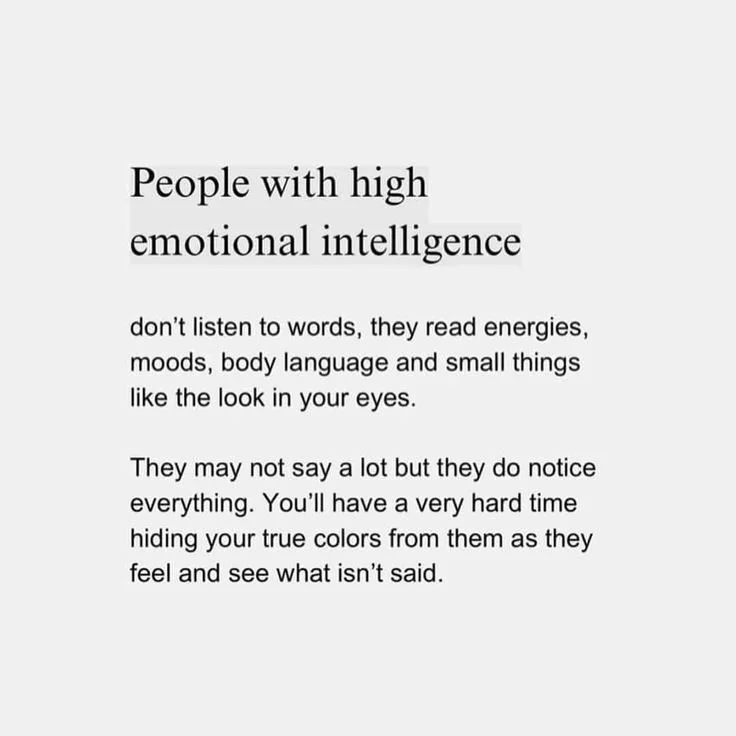
Being emotionally intelligent is often described as a superpower.
You can read a room almost instantly. You notice when someone's energy changes. You can tell when a friend says “I'm fine” but clearly isn't. You pick up on subtle shifts in tone, body language, facial expressions, and the things people don't say out loud.
You probably understand other people's emotions pretty well.
But sometimes, you wish you didn't.
Because emotional intelligence can be both a gift and a curse.
When you're highly emotionally aware, you may understand people deeply while simultaneously struggling to turn that same understanding inward. You can recognize everyone else's needs while questioning your own. You can explain why someone behaved the way they did while still feeling hurt by what happened.
And sometimes, being able to see beneath the surface means you end up seeing things you wish you could unsee.
What Does It Mean to Be Emotionally Intelligent?
Emotional intelligence generally refers to the ability to recognize, understand, and respond to emotions, both your own and other people's.
Someone with strong emotional intelligence may be particularly aware of:
Changes in someone's tone or body language
Unspoken tension in a relationship
Their own emotional reactions
How their behavior affects other people
Patterns in relationships
Other people's perspectives and motivations
The emotional atmosphere of a room
When someone is uncomfortable, overwhelmed, or withdrawing
But emotional intelligence isn't the same thing as always being emotionally regulated.
You can be extremely emotionally intelligent and still become anxious.
You can understand your feelings and still struggle with them.
You can have incredible empathy and still have difficulty setting boundaries.
You can understand exactly why someone hurt you and still wish they hadn't.
That's where things get complicated.
The Gift: You Notice What Other People Miss
One of the beautiful parts of emotional intelligence is that you tend to notice the details.
You may be the friend who remembers that someone has an important interview coming up.
You notice when your partner is quieter than usual.
You can tell when someone is uncomfortable in a group even though they're smiling.
You might naturally adjust your communication based on the person you're talking to.
People may describe you as empathetic, thoughtful, intuitive, perceptive, or “easy to talk to.”
And there is something genuinely meaningful about that.
Emotional awareness can help you build deep relationships because you're paying attention to more than just words.
You're paying attention to the person.
But Then You Start Noticing Everything
Here's the part nobody really talks about.
Once you're highly attuned to emotional cues, it can become difficult to turn that awareness off.
A different text tone.
A shorter response.
A pause before someone answers.
A change in someone's facial expression.
Someone seeming slightly distant.
Suddenly your brain is asking:
Did I do something?
Are they upset with me?
Did something change?
Are they pulling away?
Should I ask?
Maybe I'm overthinking this.
And now you're analyzing a three-word text message like it's a psychological case study.
This is where emotional intelligence can sometimes overlap with overthinking and hypervigilance.
Being perceptive is not the same thing as being responsible for figuring out every emotion happening around you.
When Empathy Turns Into Emotional Absorption
There's a difference between understanding someone's emotions and absorbing them.
Understanding might sound like:
“I can tell you're stressed. I understand why you're reacting this way.”
Absorbing might feel more like:
“You're stressed, so now I'm stressed.”
You may walk into a room and immediately notice tension.
You may leave a conversation still thinking about the other person's mood.
You may feel responsible for making sure everyone is okay.
And if you're also a highly sensitive person, or HSP, you may experience emotional and environmental information particularly intensely.
That doesn't mean something is wrong with you.
It means your awareness can sometimes become exhausting when there aren't enough boundaries around it.
The Curse of Understanding Everyone Except Yourself
One of the most frustrating parts of being emotionally intelligent is being able to explain everyone else's behavior.
You can understand why your partner became defensive.
You can understand why your parent struggles with vulnerability.
You can understand why your friend is distant.
You can understand why someone lashed out.
You can understand their childhood.
Their stress.
Their fears.
Their attachment patterns.
Their insecurities.
You can understand all of it.
But understanding someone's behavior doesn't mean you have to accept it.
This distinction is incredibly important.
Empathy explains. It doesn't excuse.
You can have compassion for someone's pain while still deciding that their behavior isn't healthy for you.
You can understand why someone has difficulty communicating and still need better communication in your relationship.
You can recognize someone's trauma and still maintain a boundary.
Emotional intelligence becomes much healthier when understanding another person doesn't require abandoning yourself.
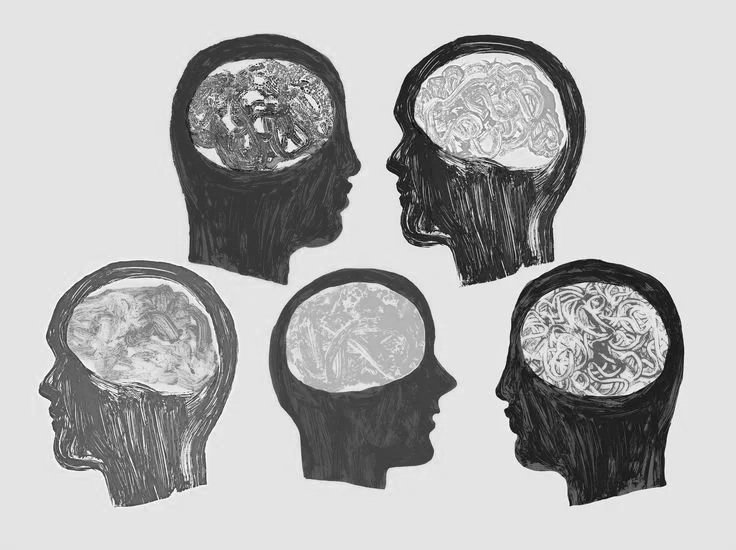
When Emotional Intelligence Becomes People-Pleasing
Sometimes highly emotionally aware people become extremely good at anticipating other people's needs.
You know what will upset someone.
You know what they want to hear.
You know when to back off.
You know when to check in.
You know how to make everyone comfortable.
And eventually, you may become so focused on managing everyone else's emotional experience that you lose track of your own.
You might think:
I don't want to bother them.
It's not a big deal.
I'll just let it go.
They're already stressed.
I can handle it.
I don't want to make things awkward.
But repeatedly minimizing your own needs doesn't make you emotionally healthy.
It makes you very good at disappearing inside relationships.
Emotional Intelligence Does Not Mean You Have to Be the Emotional Manager
This is one of the biggest shifts I encourage people to make:
You can notice something without taking responsibility for it.
You can notice that someone is upset without immediately fixing it.
You can sense tension without making it your job to resolve it.
You can recognize that someone is disappointed without changing your decision.
You can understand someone's perspective without agreeing with it.
You can care about someone's feelings without managing their feelings for them.
That is what healthy emotional boundaries can look like.
The Difference Between Intuition and Anxiety
This can be especially confusing for emotionally perceptive people.
Sometimes you genuinely notice something.
Other times, anxiety fills in the blanks.
For example, you might notice:
“She's been quieter today.”
That's an observation.
Your brain may then add:
“She must be upset with me.”
That's an interpretation.
And then:
“I need to figure out what I did wrong.”
That's a conclusion.
The problem isn't noticing.
The problem is when your brain turns limited information into certainty.
Learning to separate what you know from what you're assuming can be incredibly helpful.
Instead of:
“Something is wrong with us.”
Try:
“I've noticed a change. I don't know what it means yet.”
That tiny distinction can create a lot more emotional space.
You Don't Have to Stop Caring
Sometimes people hear conversations about boundaries and assume the goal is to become less empathetic.
It isn't.
You don't need to become colder.
You don't need to stop caring.
You don't need to pretend you don't notice things.
You don't need to become detached or indifferent.
The goal is to become more discerning about what belongs to you.
You can be deeply caring without being emotionally responsible for everyone around you.
You can be sensitive without being overwhelmed by every emotion you encounter.
You can be intuitive without assuming you know exactly what someone else is thinking.
And you can be emotionally intelligent without constantly analyzing everything.
Your Emotional Intelligence Is a Gift When You Know How to Protect It
The goal isn't to lose the part of you that notices.
It's to learn how to live with that awareness without letting it run your life.
That can mean learning to:
Pause before reacting to someone else's mood
Ask instead of assuming
Separate observations from interpretations
Set boundaries without excessive guilt
Stop taking responsibility for other people's emotions
Notice when empathy is turning into over-functioning
Give yourself permission not to fix everything
Trust that healthy relationships can tolerate honest communication
Pay attention to your own needs as much as you pay attention to everyone else's
Because your sensitivity isn't the problem.
Your empathy isn't the problem.
Your ability to notice isn't the problem.
Sometimes you just need to learn where you end and someone else begins.
And maybe that's the real gift of emotional intelligence.
Not being able to read everyone else perfectly.
But becoming emotionally aware enough to finally read yourself, too.
Frequently Asked Questions About Emotional Intelligence
Is being highly emotionally intelligent exhausting?
It can be. Emotional awareness can become exhausting when someone constantly monitors other people's emotions, overanalyzes interpersonal interactions, or feels responsible for keeping others comfortable. Emotional intelligence itself isn't inherently exhausting, but the combination of high awareness, anxiety, people-pleasing, and weak emotional boundaries can be.
Is emotional intelligence the same as being empathetic?
Not exactly. Empathy involves understanding or experiencing another person's emotional perspective, while emotional intelligence is a broader concept that includes recognizing, understanding, and managing emotions. Someone can be highly empathetic while still needing to develop stronger emotional boundaries.
Why do emotionally intelligent people overthink?
Being highly aware of emotional cues can provide a lot of information for the brain to process. For some people, that awareness can turn into analyzing conversations, tone, body language, or changes in behavior. When anxiety is involved, the brain may try to find certainty by repeatedly analyzing ambiguous situations.
Can emotional intelligence become a form of people-pleasing?
Yes, emotional awareness can sometimes lead people to become highly attuned to what others need while neglecting their own needs. Healthy emotional intelligence includes recognizing your own emotions and needs, not just understanding everyone else's.
How can I stop absorbing other people's emotions?
Start by noticing the difference between someone else's emotion and your response to it. You can acknowledge that someone is stressed, angry, disappointed, or upset without taking responsibility for changing their emotional state. Boundaries, grounding, self-awareness, and learning to tolerate other people's discomfort can all help.
What if I'm constantly analyzing people's behavior?
Try separating observations from interpretations. Ask yourself: “What do I actually know?” and “What am I assuming?” If you find yourself repeatedly analyzing interactions because you're afraid something is wrong, exploring that pattern with a therapist can help you understand what is driving it.
Therapy for Highly Sensitive and Emotionally Aware People
If you've spent your life being told that you're “too sensitive,” “overthinking,” or “reading too much into things,” therapy can be a space to understand those patterns without treating your sensitivity as something that needs to be eliminated.
I work with clients who are highly self-aware, emotionally sensitive, neurodivergent, anxious, or simply tired of feeling like they're constantly processing everything around them.
Therapy can help you understand your emotional patterns, strengthen boundaries, navigate relationships, and learn how to use your emotional awareness as a strength without allowing it to become overwhelming.
You don't have to become less sensitive.
You just deserve to feel safe being sensitive.
If you're looking for a therapist in Newport Beach, Irvine, or anywhere in California through telehealth, schedule a complimentary 15-minute consultation here.
