Chemistry vs. Compatibility: How to Tell the Difference in Relationships
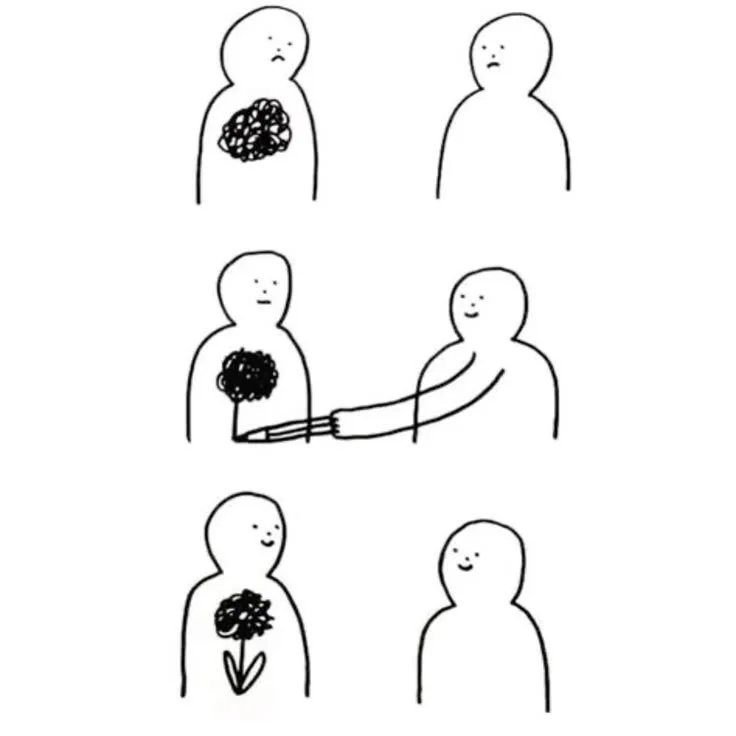
Chemistry is easy to spot. It’s the pull. The spark. The feeling that something clicks right away.
Compatibility is quieter. It doesn’t announce itself. And that’s why so many people miss it.
A lot of my clients come in confused because they’ve felt so much with someone, but the relationship still didn’t work. Or they keep ending up with the same type of partner, even though they know better. If you’ve ever thought, “But it felt so real,” this is probably for you.
What Chemistry Actually Is
Chemistry is intensity. It’s nervous system activation. It’s anticipation, attraction, and emotional charge.
It can feel like:
Thinking about them constantly
Feeling “on” or activated around them
Wanting their attention or validation
Interpreting emotional highs and lows as passion
Chemistry isn’t bad. It’s just not neutral. And for people who feel deeply or pick up on energy easily, chemistry can feel especially convincing.
Sometimes chemistry is just attraction.
Sometimes it’s familiarity.
Sometimes it’s unresolved attachment patterns getting activated.
And sometimes, it’s all three.
What Compatibility Looks Like (And Why It’s Less Obvious)
Compatibility doesn’t spike your nervous system the same way. It creates steadiness instead.
Compatibility shows up as:
Feeling emotionally safe, not just excited
Being able to be yourself without monitoring or performing
Similar values, communication styles, and expectations
Conflict that feels workable instead of destabilizing
Compatibility often feels calm. And calm can feel boring if you’re used to intensity.
That doesn’t mean the connection is wrong. It might mean it’s unfamiliar.
Why These Two Get Confused So Often
Chemistry is immediate. Compatibility takes time.
Chemistry says, “This feels right.”
Compatibility asks, “Does this actually work?”
If you’re intuitive, sensitive, or attachment-aware, you might mistake emotional charge for emotional depth. Especially if you’re used to reading people, sensing shifts, or taking responsibility for the emotional tone of relationships.
A big question I often ask clients is: Do you feel energized or regulated around this person?
Both matter. But they’re not the same thing.
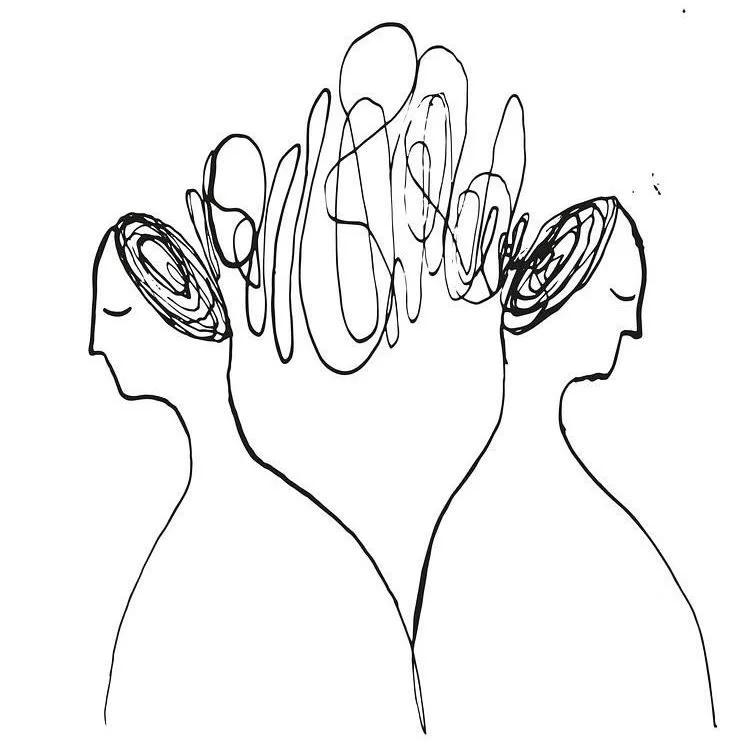
Questions to Help You Tell the Difference
Instead of asking, “Do I feel chemistry?” try asking:
Do I feel calm in my body with this person, or on edge?
Can I express needs without fear of losing them?
Do I feel clearer over time, or more confused?
Am I choosing them, or reacting to them?
Chemistry pulls you forward.
Compatibility supports you staying.
When Intuition Gets Blamed (Unfairly)
A lot of people say, “I can’t trust my intuition. I always pick wrong.”
What’s usually happening isn’t bad intuition. It’s intuition mixed with attachment.
Your body might be reacting to something familiar, not something healthy.
Learning the difference between intuition and activation is a skill. It’s not something you’re supposed to just magically know.
The Bottom Line
You don’t have to choose between attraction and stability.
But you do need to know which one you’re responding to.
Chemistry can start a relationship. Compatibility is what sustains it.
If you keep ending up in connections that feel intense but unsatisfying, it’s not because you’re “too sensitive” or doing dating wrong. There’s usually a pattern underneath it, and patterns can be understood and changed.
Want Support With This?
If you find yourself overthinking relationships, questioning your intuition, or repeating the same dynamics despite wanting something different, working together can help.
I specialize in working with sensitive, intuitive adults who want relationships that feel emotionally safe and meaningful. We’ll look at your attachment patterns, how your body responds to connection, and what actually works for you.
Book a complimentary consultation here to see if working together feels like a fit.