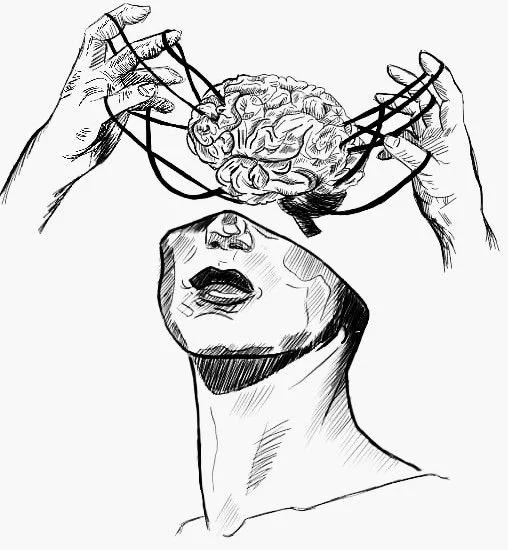
OCD in Children and How It Manifests in Adulthood
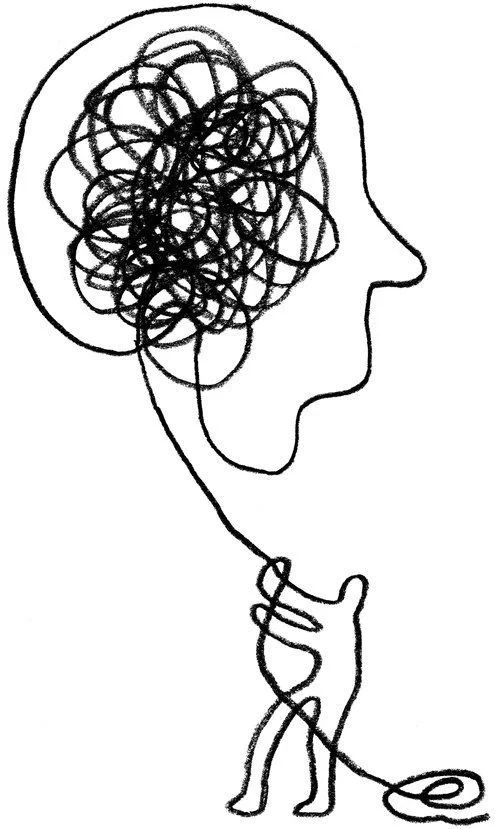
OCD in Children, and Why So Many Adults Don’t Realize They’ve Been Living With It
OCD isn’t about being neat, organized, or particular. And it definitely isn’t a personality flaw. It’s about anxiety, fear, and a nervous system that learned early on that it has to stay on high alert.
A lot of adults with OCD don’t realize it started in childhood. Not because it wasn’t there. but because no one knew what they were looking at.
How OCD Often Shows Up in Kids
Kids don’t say, “I’m having intrusive thoughts.” They show it in behavior.
That might look like constant reassurance-seeking, repeated checking, strict routines, or intense distress when something doesn’t feel “right.” Some kids confess upsetting thoughts they don’t want to have. Others avoid situations, melt down over transitions, or feel overwhelming guilt about things that haven’t even happened.
Many children with OCD are deeply sensitive and responsible. They worry about being bad, doing harm, or making the wrong choice. Internally, they feel like it’s their job to prevent something terrible from happening. even when they don’t fully understand what that “something” is.
And here’s the part most people miss: a lot of OCD happens silently. Mental rituals, counting, replaying, or self-checking don’t look obvious from the outside. So adults assume the child is just anxious, intense, or “too much.”
Why OCD Is So Often Missed Early On
OCD gets overlooked because it doesn’t match the stereotype. Kids are praised for being careful, thoughtful, or mature. Adults reassure them instead of recognizing the pattern. And slowly, the child learns to manage anxiety internally. without help.
So the OCD doesn’t disappear. It just evolves.

How Childhood OCD Often Shows Up in Adults
By adulthood, OCD is usually more internal and more convincing.
It looks like constant overthinking, rumination, difficulty trusting decisions, and feeling stuck in loops of “what if” thinking. It can show up in relationships as reassurance-seeking, fear of choosing the wrong partner, or obsessively analyzing interactions.
Many adults don’t think, “I have OCD.” They think, “This is just how my brain works.” Or: “Something is wrong with me.”
You might feel responsible for everything. Afraid of making mistakes. Exhausted by your own thoughts. And unsure where anxiety ends and intuition begins.
OCD Is About Control, Not Character
At its core, OCD is about trying to control uncertainty.
As a child, that might have looked like rituals or checking. As an adult, it often turns into mental monitoring, perfectionism, or avoidance, because your nervous system learned that safety depends on staying vigilant.
And when you’ve lived like that for years, it becomes your baseline.
What Healing Actually Looks Like
Healing OCD isn’t about getting rid of thoughts. Everyone has intrusive thoughts. The difference is how much power they’re given.
Real change comes from learning how to tolerate uncertainty, break compulsive patterns, and stop treating every anxious thought like a fact. It’s about building trust in yourself instead of constantly looking for reassurance or certainty outside of you.
For many adults, healing also means recognizing that these patterns started as protection, and offering yourself compassion instead of judgment.
How Working With Me Can Help
If you’ve always felt like your brain works differently, like you’re stuck in your head, or like anxiety has been quietly running the show, I get it. I work with clients who are high-functioning, deeply reflective, and exhausted by their own minds.
In our work together, we focus on understanding your patterns, not shaming them. We slow things down, untangle anxiety from intuition, and help you build a relationship with your thoughts that feels steady instead of overwhelming.
If this resonates, schedule a consultation and see if working together feels like the right next step.