Things That Might Be Neurodivergence That You Did Not Realize
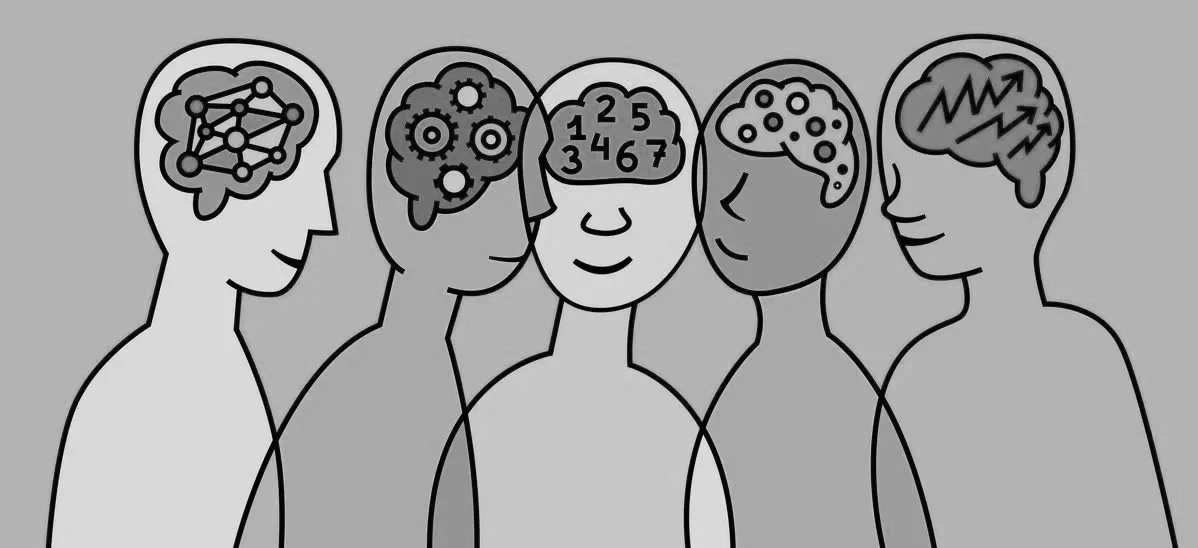
Sometimes the signs are subtle.
You are not necessarily failing school, unable to work, or visibly struggling in every area of life. You may be doing well on paper. You may be responsible, high-achieving, social, successful, and the person everyone assumes has it together.
But internally, life can feel much harder than it seems like it should.
You may constantly feel overwhelmed, exhausted from socializing, unable to start tasks you genuinely care about, emotionally affected by small things, or like you are always trying to keep up with everyone else.
And at some point, you may start wondering:
“Is this just my personality?”
“Am I lazy?”
“Why does everything seem to take so much effort?”
“Why do I feel different from everyone else?”
For some people, the answer may involve neurodivergence.
What Does Neurodivergent Mean?
Neurodivergent is an umbrella term used to describe people whose brains process information, emotions, attention, sensory input, or social interaction differently from what is considered typical.
It can include experiences related to:
Autism
OCD
Tourette syndrome
Other differences in how the brain functions and processes the world
It is important to note that neurodivergence is not a diagnosis by itself. It is also not a flaw, trend, or personality aesthetic.
It is simply a way of describing brains that may work differently.
And for many people, especially women, high-masking individuals, and high-achieving adults, the signs can be easy to miss.
Why So Many People Do Not Realize They Are Neurodivergent
For a long time, neurodivergence was discussed through a very narrow lens.
People often imagined ADHD as a young boy who could not sit still in class.
They imagined autism as someone with obvious social difficulties or highly visible support needs.
But neurodivergence can look very different in real life.
It can look like:
A woman who gets good grades but is constantly overwhelmed
Someone who appears outgoing but needs days to recover after social events
A person who is organized at work but cannot keep their room clean
Someone who seems calm externally but feels emotionally overloaded internally
A person who has spent their entire life masking, people-pleasing, and trying to appear “normal”
Sometimes people are not diagnosed because they were never struggling enough for others to notice.
That does not mean they were not struggling.
Signs That Might Be Neurodivergence
Not every trait on this list means someone is neurodivergent. Many of these experiences can overlap with anxiety, trauma, stress, depression, or personality differences.
But if several of these patterns feel deeply familiar, it may be worth exploring further with a qualified mental health professional.
1. You Cannot Start Tasks Until There Is Pressure
You may have a long list of things you genuinely want or need to do.
You know the task matters. You may think about it all day. You may feel guilty about not doing it.
But starting feels impossible.
Then suddenly, when the deadline is close enough, you are able to do everything in one intense burst.
This is often mistaken for laziness or procrastination.
But for many people with ADHD, it can be related to executive functioning, task initiation, motivation, and difficulty creating urgency without external pressure.
You are not necessarily avoiding the task because you do not care.
Sometimes your brain needs a different kind of structure to begin.
2. You Are Either Extremely Organized or Completely Overwhelmed
A lot of people assume neurodivergence means being messy, disorganized, or unable to plan.
But some neurodivergent people become highly organized because they have to be.
They create detailed systems, calendars, lists, reminders, routines, and backup plans because without them, life feels chaotic.
You may be the person who looks incredibly put together from the outside, while internally feeling like you are barely holding everything together.
This is especially common in people who mask their struggles.
3. You Feel Like You Are “Too Sensitive”
You may feel deeply affected by:
Someone’s tone of voice
Conflict between other people
Loud noises
Bright lights
Certain fabrics or textures
Changes in plans
Being rushed
Feeling misunderstood
A stressful environment
You may have been told that you are dramatic, emotional, sensitive, or that you “take things too personally.”
But sometimes what looks like emotional sensitivity is also nervous system sensitivity.
For neurodivergent people, the world can feel louder, faster, more intense, and more emotionally demanding.
4. Socializing Feels Like Performing
You may be social, funny, friendly, and capable of making conversation.
But afterward, you feel completely drained.
You may replay conversations in your head, worry that you said the wrong thing, or feel like you were monitoring yourself the entire time.
Some people describe this as feeling like they are “performing” socially.
This can be related to masking, which is when someone consciously or unconsciously adjusts their behavior to fit social expectations.
Masking can include:
Rehearsing what to say
Mirroring other people’s tone or behavior
Forcing eye contact
Hiding sensory discomfort
Pretending to understand social cues
Overthinking every interaction afterward
Masking can help someone fit in, but it can also be exhausting.
5. You Have Intense Interests That Feel Like More Than a Hobby
You may become deeply interested in a topic, hobby, show, person, career path, or idea.
When you are interested in something, you can spend hours researching it, thinking about it, talking about it, or learning everything you can.
But when something does not interest you, it can feel almost impossible to focus on it.
This can be connected to hyperfocus or special interests.
It is not always a problem. In fact, it can be a major strength.
It can lead to creativity, expertise, passion, and deep knowledge.
The challenge is learning how to balance intense interest with daily responsibilities, rest, and flexibility.
6. You Are Constantly Overwhelmed by “Normal” Life Tasks
Things that seem simple to other people can feel disproportionately difficult.
Examples may include:
Answering emails
Making appointments
Doing laundry
Returning a phone call
Starting a work assignment
Cleaning your room
Grocery shopping
Remembering what you need to do
Switching from one task to another
You may feel embarrassed because you are capable of doing big things but struggle with small ones.
This is a common experience for people with executive functioning differences.
Executive functioning includes skills like planning, prioritizing, starting tasks, remembering information, shifting attention, and regulating emotions.
Struggling with these tasks is not a reflection of intelligence or effort.
7. You Feel Everything Very Intensely
You may experience emotions in a way that feels all-consuming.
A small rejection can feel huge. A conflict can take over your whole day. A kind comment can make you emotional. A sad movie can stay with you for days.
This may show up as:
Emotional dysregulation
Feeling emotionally flooded
Difficulty calming down after conflict
Taking longer to recover from stressful situations
This does not mean you are overly dramatic.
It may mean your nervous system needs more support, regulation, and recovery time.
8. You Have Always Felt “Different,” But Could Not Explain Why
This may be one of the biggest signs.
You may have spent your life feeling like everyone else got a rulebook you somehow missed.
You may have learned how to blend in, but still feel different internally.
You may be successful, liked, and capable, while still feeling misunderstood or disconnected from yourself.
Sometimes people discover neurodivergence later in life because they finally find language for an experience they have had all along.
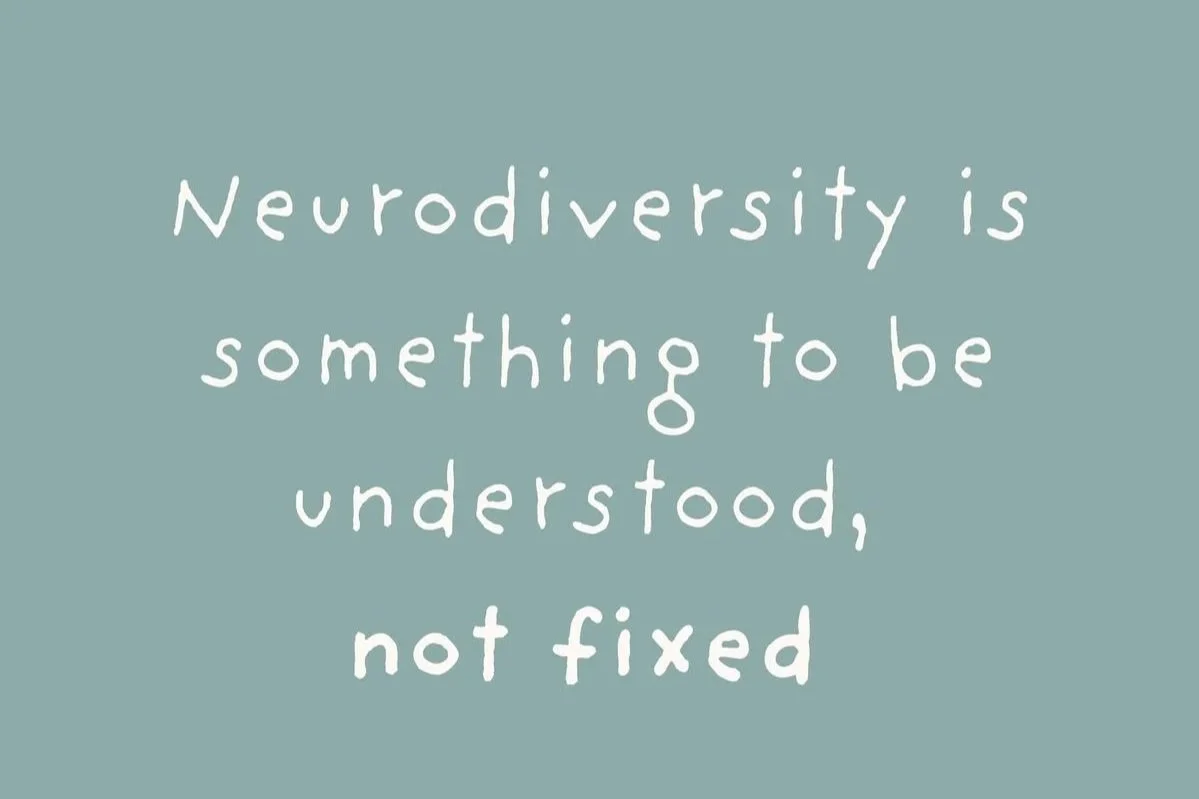
Neurodivergence Does Not Look the Same in Everyone
There is no single way to look neurodivergent.
Some people are quiet. Some are outgoing. Some are high-achieving. Some struggle visibly. Some are diagnosed as children. Some are not diagnosed until adulthood.
Gender, culture, family expectations, trauma, intelligence, environment, and masking can all affect how neurodivergence presents.
That is why it is important not to diagnose yourself based on one social media video or checklist.
But it is also okay to be curious.
Curiosity can be the beginning of self-understanding.
Neurodivergence, Anxiety, Trauma, and HSP Traits Can Overlap
This is where things can get confusing.
Many neurodivergent traits overlap with anxiety, trauma responses, and being a Highly Sensitive Person.
For example:
Anxiety can cause overthinking, avoidance, and sensory overwhelm
Trauma can create hypervigilance, emotional reactivity, and people-pleasing
HSP traits can involve deep processing, sensitivity, and overstimulation
ADHD can involve emotional dysregulation, executive dysfunction, and difficulty with focus
Autism can involve sensory differences, social masking, and a need for predictability
This is why a thoughtful assessment matters.
The goal is not to collect labels.
The goal is to understand what is actually happening and what support would help.
What Support Can Look Like
If you are exploring whether you may be neurodivergent, support does not have to mean trying to change your personality.
It can mean learning how to work with your brain instead of constantly fighting it.
Support may include:
Learning executive functioning strategies
Creating systems that reduce overwhelm
Understanding sensory needs
Building emotional regulation skills
Setting boundaries around social energy
Exploring masking and identity
Working through shame around productivity or “being too much”
Seeking a formal assessment if that feels right for you
The right support should help you feel more understood, not more judged.
Final Thought
You may not be lazy.
You may not be disorganized.
You may not be too emotional, too sensitive, too intense, or too much.
You may simply have a brain that needs different tools, different support, and more self-understanding than you have been given.
And learning that can be incredibly freeing.
Because when you stop trying to force yourself to function like everyone else, you can start building a life that actually works for you.
FAQ
1. How do I know if I am neurodivergent or just anxious?
Neurodivergence and anxiety can look very similar because both can involve overthinking, overwhelm, and difficulty focusing. The difference is that neurodivergence is typically lifelong and tied to how your brain processes information, attention, and sensory input, while anxiety is often a response to stress, fear, or environment. Many people experience both at the same time, which is why a professional evaluation can be helpful if you are unsure.
2. Can you be neurodivergent and not know it until adulthood?
Yes. Many people do not realize they are neurodivergent until adulthood, especially those who learned to mask, adapt, or compensate early in life. High-achieving individuals, women, and people with strong coping skills are often overlooked because they appear “fine” externally even if they feel overwhelmed internally.
3. What are common signs of undiagnosed ADHD in adults?
Common signs can include difficulty starting tasks, chronic procrastination, time blindness, emotional overwhelm, forgetfulness, inconsistent focus, and feeling easily overstimulated. Many adults also describe cycles of hyperfocus followed by burnout or shutdown.
4. How does autism show up in adults who mask well?
In masked or high-functioning presentations, autism can show up as social exhaustion, difficulty understanding unspoken social rules, sensory sensitivities, strong need for routine, deep special interests, and feeling like socializing is “performed” rather than natural. Many people only recognize this later in life when burnout increases or masking becomes harder.
5. What is executive dysfunction?
Executive dysfunction refers to difficulty with brain-based skills like planning, organizing, initiating tasks, prioritizing, and switching between tasks. It is not about intelligence or motivation. It is about how efficiently the brain manages daily functions and demands.
Work With Me
If you are questioning whether neurodivergence may be part of your experience, therapy can be a supportive place to explore it.
I work with individuals navigating ADHD, autism, high sensitivity, emotional overwhelm, anxiety, masking, and self-understanding. My approach is neurodiversity-affirming and individualized, meaning we focus on understanding how your mind works rather than trying to force you into a version of yourself that does not fit.
Book your consultation to see if working together feels like the right fit.
Keywords: things that might be neurodivergence, signs of neurodivergence, neurodivergent traits in adults, undiagnosed ADHD in women, autism masking in adults, executive dysfunction signs, emotional dysregulation ADHD, sensory sensitivity neurodivergence, high masking neurodivergent adult, neurodiversity affirming therapy
